
In this week’s newsletter, we dig into some general nutrition misinformation and what to do about it.
Nutrition- Are athletes that different than the general population?
For our younger athletes who are looking to put on some muscle and improve performance, my main concern is how much are they currently eating. Typically soccer players are grossly under some of the numbers we need, to put on sustainable muscle mass. For the general population this is also the same advice, just skewed a little bit. For the most part, younger athletes can get away with eating things that have a higher caloric value because their sports demands and training require it. If they are eating all junk food to meet their caloric and macro-nutrient needs, that isn’t okay, but they can usually maintain a healthy weight and body fat. The consequence may be more that their performance suffers and they will frequently feel sluggish. In other words, numbers are not the only thing affected by nutrition. School performance, mood and overall feeling of wellbeing are impacted by what you eat. For the general population, we typically see periods of over-consumption of high caloric foods and then a large deficit in the more nutrient-dense ones. In both cases, the shift needs to be towards a higher consumption of nutrient-dense foods like lean protein, fruits/veggies, and fats.
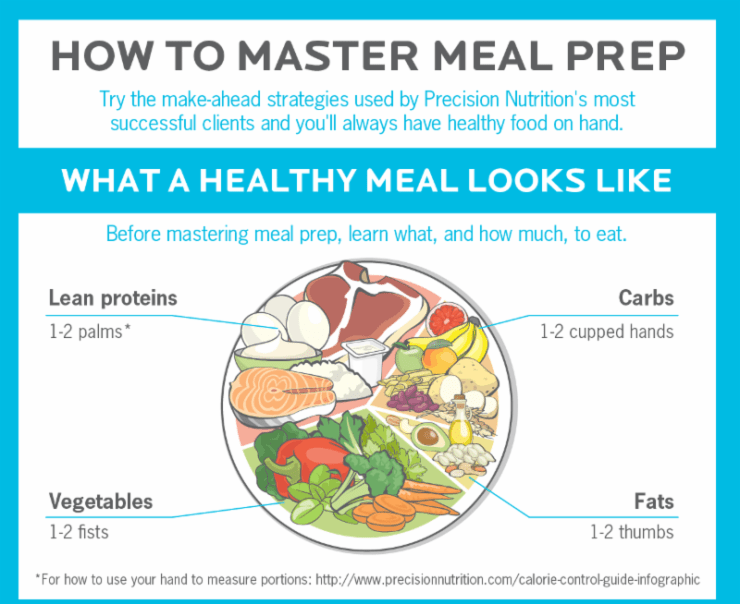
When I coach athletes on nutrition, who already have the basics solidly in place, the only difference may be more focus on nutrient timing and adjusting their macro-nutrient profiles. If those basics aren’t there, it doesn’t matter when you have a protein shake if you don’t get enough protein throughout the day, to begin with. Likewise, if you are only focusing on one aspect, like decreasing carbs for weight loss, but neglect nutrient density, your success will be limited and not sustainable. What we have found to work is getting about 4 meals a day that has some lean protein, a serving of fruit/veggies and either a good source of fat or another carbohydrate. Once this is established, then you can tweak nutrient timing, carb cycling, supplements, intermittent fasting, etc to enhance gains.
So does your nutrition have to be special? No. For most athletes and people, it is exactly the same until you have exhausted what the basics can do for you. The body doesn’t respond to drastic changes. It adapts better to small, consistent incremental jumps. Big jumps tend to lead to bigger falls. Our first habit, “do a five-minute action” and lesson, “do one thing at a time” are excellent strategies to apply to how you eat.
TS Training Systems | tsienkowski7@gmail.com| 203-915-1544
 TS Training Systems